
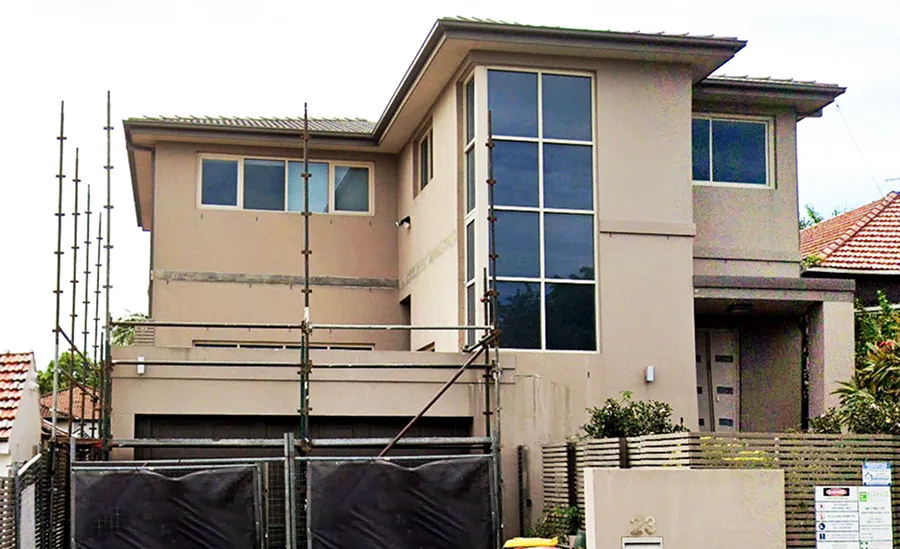
Renovating in Sydney? Avoid These Compliance Pitfalls Before You Start
Understanding Sydney Home Renovation Compliance
Renovating your home in Sydney is an exciting project, but it comes with a range of building compliance requirements that can cause significant delays and unexpected costs if not properly managed. From obtaining the right construction certificate to ensuring your project meets council conditions, navigating the compliance process can feel overwhelming. This guide will help you understand common compliance pitfalls and how to avoid them so your renovation stays on track.
1. The Role of a Construction Certificate in Starting Your Build
In Sydney, obtaining a construction certificate (CC) is a non-negotiable step before you start building. This document confirms that your approved plans meet the technical requirements of the Building Code of Australia and all development conditions outlined by your local council. Many homeowners mistakenly assume that their Development Approval (DA) is the green light to begin work, but a DA simply approves the concept—it's the CC that legally allows construction to begin.
Failing to obtain a CC before commencing work can result in stop-work orders, fines, delays, and costly rework. A single missing certificate can disrupt your entire renovation timeline.
For instance, one of our clients, Sarah and James, had DA approval for renovations to their Bondi home and were eager to begin. But without a construction certificate, they couldn’t legally proceed. The result? A two-month delay and a lot of frustration as they scrambled to retroactively sort out paperwork they thought had already been dealt with.
Common Mistakes:
- Assuming that Development Approval (DA) from the council is enough
- Engaging a builder before obtaining a construction certificate
- Starting work too early and facing stop-work notices
Not having a CC can cost you months of stress and a big fine. The smart move is to engage a private building certifier early, so you can get clear guidance on what’s required and stay ahead of any compliance curveballs. For full details, visit the NSW Planning Portal.
2. Overlooking Occupation Certificate Requirements
Finishing the build is one thing—legally living in it is another. Before you can occupy or use your newly renovated space, you must obtain an occupation certificate (OC certificate). This document confirms that all building work has been completed in accordance with the approved plans and complies with safety and structural standards.
Skipping this step can void home insurance, trigger legal issues, or complicate future sales. Many underestimate the final paperwork, only to have one missing document stall everything.
Tom, a homeowner in Coogee, found this out the hard way. Thinking he could move into his newly renovated terrace as soon as the builder wrapped up, he scheduled furniture deliveries and change-of-address notifications—only to discover he was still missing his OC. Delays in gathering compliance documentation meant weeks of waiting, extra rent, and a disrupted move.
Common Mistakes:
- Moving into the renovated space before obtaining the occupancy certificate
- Failing to complete all compliance requirements listed in the CC
- Underestimating the time it takes to gather final documentation
To avoid this kind of stress, don’t plan your move-in until your home building certifier has issued your OC. It's the legal endpoint of your project and essential for peace of mind. You can find more about this process at the NSW Fair Trading website.
3. Failing to Consider Council and Compliance Conditions
Sydney’s local councils all have unique planning controls and development conditions that can affect your renovation. These might include setback rules, stormwater drainage requirements, fire safety measures, or heritage conservation restrictions. Overlooking or misinterpreting these details can have a domino effect—leading to rejected applications, fines, or costly redesigns.
It's easy to assume your builder or architect has this covered, but as the homeowner, it's your responsibility. Even minor changes, like moving a window or adjusting roof height, can breach council conditions and delay approvals.
Emma, a homeowner in Randwick, learned this when her planned rear extension didn’t meet setback requirements. Her builder had to halt work while new plans were drawn and submitted, setting the project back by months. The setback? Three months of delays and additional design fees she hadn’t budgeted for.
Common Mistakes:
- Assuming your builder or architect has checked all council conditions
- Not reviewing the DA conditions carefully
- Making changes to the approved plans without checking compliance
Thoroughly reviewing your DA conditions and engaging a home building certifier early can save you a world of stress. It’s better to catch issues up front than to deal with rejections or fines later. Visit the NSW Planning Portal to explore your council’s requirements.
4. Unregistered or Inexperienced Contractors
Your project is only as good as the team behind it. Hiring unlicensed or inexperienced contractors is one of the biggest risks you can take during a home renovation. While they may offer cheaper quotes, the potential for non-compliant work is high—and the cost of fixing that work far outweighs any initial savings.
Builders unfamiliar with local regulations may skip key documents, overlook planning controls, or fail inspections, delaying certification. Worse, some work may need redoing to meet safety and legal standards, creating costly setbacks.
David from Vaucluse chose a builder based on price alone. Unfortunately, that builder failed to follow key compliance steps, and the resulting work didn’t meet council standards. David ended up spending an additional $20,000 on corrective work, not to mention weeks of lost time and mounting stress.
Common Mistakes:
- Hiring an unlicensed builder who lacks experience with compliance
- Relying on a designer instead of a registered architect
- Not consulting a private building certifier early in the process
The takeaway? Don’t cut corners when it comes to qualifications. Always verify the credentials of your team and bring in a private building certifier from the outset. You can check licences at the NSW Fair Trading website.
5. Pool Compliance Issues
Adding or upgrading a pool as part of your renovation? Make sure it’s compliant before you dive in. In NSW, pools must meet strict safety standards, and you’ll need a pool compliance certificate before selling or leasing your property—or in some cases, before finalising your occupation certificate.
Non-compliant pool barriers, faulty gates, or incorrect fencing can delay approvals. Even older pools may need updates to meet current regulations, leading to failed inspections, delayed sales, and costly fixes.
Lisa, a homeowner in Bronte, experienced this first-hand. Ready to sell, she discovered late in the process that her pool didn’t meet current safety standards. The rushed inspection uncovered several faults, and the sale had to be postponed until compliance work was completed.
Common Mistakes:
- Not obtaining a pool compliance certificate before selling or leasing the home
- Installing non-compliant fencing or gates
- Assuming older pools are automatically compliant
To avoid this situation, schedule a pool barrier inspection well before project completion. That way, you’ll have time to fix any issues without holding up your plans. Visit the NSW Swimming Pool Register to check your responsibilities and book a compliance inspection.
Final Thoughts: Plan Ahead to Avoid Compliance Pitfalls
A smooth, successful renovation in Sydney starts with compliance. Don’t wait for problems to appear—engage a private building certifier early, understand your obligations, and double-check everything before work begins. The time and money you’ll save by avoiding setbacks is well worth it.
Need expert help? Contact Eastside Certifiers today for fast, friendly, and fully compliant support with your home renovation.